

Maintaining Your Home
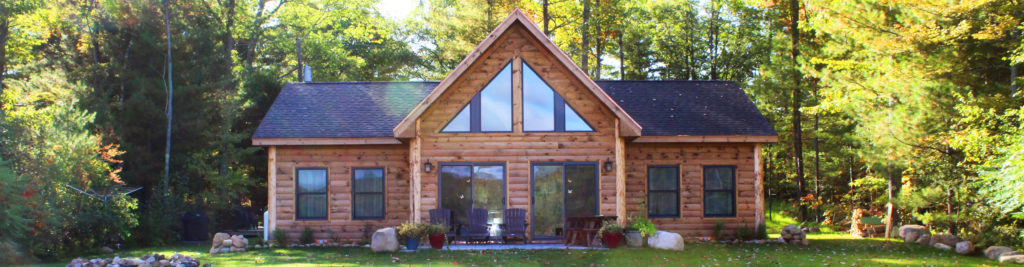
Regular care ensures that your log home remains a cherished haven for you and your loved ones for years to come. Let’s break down log home maintenance into simple and enjoyable steps, making it a delightful part of your home ownership journey:
-Regular Cleaning
Dust and debris can accumulate on the logs over time, affecting their appearance. Use a soft-bristle brush or a broom to keep that new log glow.
-Annual Inspection
Walk around the exterior, checking for any signs of moisture, especially around the base.
-Staining and Sealing
Staining and sealing are crucial for protecting your home from the elements. It’s usually time to reapply the stain or sealant every 2-3 years, but in some environments, a home can go as long as five years without needing a touch-up.
-Caulking and Chinking
Inspect the caulk or chinking between the logs for gaps or cracks. If you see anything, it’s time to reapply.
-Pest Control
Like any house, we recommend regular inspections and preventative measures. While we suggest consulting with a pest control professional in your area for the latest & safest preventative solutions, here are a few natural options we’ve found effective:
- Cedarwood: Cedarwood is a natural insect repellent. Consider using cedar logs or cedar-based products for your home’s construction or as a finish for interior surfaces.
- Essential Oils: Certain essential oils, such as citronella, lavender, peppermint, and eucalyptus, can help deter insects. Mix a few drops of these oils with water and spray them around entry points and high-risk areas.
- Diatomaceous Earth: Food-grade diatomaceous earth can be sprinkled around the exterior of your home to deter crawling insects like ants, cockroaches, and beetles. It’s harmless to humans and pets but can be abrasive to insects’ exoskeletons.
-Roof Maintenance
Maintain your log home’s roof by cleaning gutters at least twice a year and removing debris regularly. Ensure the roofing materials are in good condition and replace any damaged shingles or tiles as soon as possible.
-Trim Vegetation
Anything that can trap moisture in your logs isn’t best practice. The distance at which you should trim vegetation from your house can vary depending on the type of vegetation, your local climate, and the specific needs of your property. However, here are some general guidelines:
- Trees: Large trees should be trimmed so branches are at least 6 to 10 feet away from your house.
- Shrubs and Bushes: Trim shrubs and bushes so that they are at least 1 to 2 feet away from the exterior walls of your house. This distance also makes it easier for you to maintain the exterior of your home and perform necessary inspections.
- Vines: Avoid allowing vines to grow directly on your house’s walls, as they can trap moisture against your logs. Vines should be kept several feet away from your home’s exterior.
- Ground Cover: Ground cover plants should also be kept away from the foundation, with a clearance of about 1 to 2 feet. This prevents moisture retention and allows for inspection of the foundation.
- Gutters and Roof: Trim back vegetation that may overhang or touch your roof and gutters. Overhanging branches can drop leaves and debris onto your roof and gutters, potentially leading to water damage and clogs.
- Walkways and Paths: Trim back vegetation encroaching on wooden walkways or paths to keep moisture away.
- Fire Safety: In areas prone to wildfires, follow local regulations for creating defensible space around your home. This may involve trimming back vegetation much farther from your house to reduce the risk of fire spreading to your property.
-Remove Standing Water
Visual Inspection: Checking for standing water near your log home is crucial to prevent potential moisture-related issues, including rot, mold, and damage to the foundation. Here’s how you can check for standing water:
- Regularly walk around your property and visually inspect the ground for areas where water may be pooling or not draining correctly.
- Look for the following signs: Puddles of water, especially after rain. Soggy or muddy areas that remain wet for extended periods. Depressions or low spots in the ground where water tends to collect. Water stains or discoloration on the ground or on the foundation of your log home.
- Rainy Weather Inspection: During or immediately after heavy rainfall, go outside and observe how water flows around your log home. Pay attention to areas where water may be accumulating or not draining away.
- Grading Inspection: Examine the slope or grading of your landscape. Ideally, the ground should slope away from your log home’s foundation to encourage water to flow away from the house. Use a level or a simple string level to assess the slope.
- Drainage Systems: If you have a drainage system, such as French drains or swales, ensure they are clear of obstructions and functioning correctly. Inspect any sump pumps if you have them.
- Foundation and Basement Inspection: Inspect your log home’s foundation and basement or crawl space for signs of moisture intrusion. Look for dampness, water stains, mold, or mildew growth. These can indicate water issues even if you don’t see standing water outside.
- Address Low Spots: If you identify areas with low spots or depressions where water pools, consider filling these areas with soil to improve drainage.
- Landscaping Modifications: Consider modifying your landscaping to improve water drainage. This might involve creating swales, installing gravel or permeable paving, or planting moisture-loving plants in areas that stay wet.
-Prevention Against Sun Damage
While log homes naturally age to a beautiful silver-gray, excessive sun exposure can cause fading. Consider applying a UV-protective finish to slow down the natural aging process if you prefer to maintain the original color.
-Interior Care
Don’t forget about the interior! Maintaining a consistent humidity level prevents wood from drying out or absorbing too much moisture. Use a wood conditioner or finish on the interior logs to keep them looking their best. Here are some general guidelines:
- Before Staining or Finishing: Typically, you’ll use wood conditioner just before staining or finishing wood surfaces. This may occur on an as-needed basis for stain reapplication maintenance.
- High-Use Areas: For wood surfaces in high-traffic or high-use areas, like tabletops or countertops, apply wood conditioner more frequently. This could be anywhere from once a year to once every couple of years.
- Maintenance: As part of regular wood maintenance, consider using wood conditioner every 1-2 years to keep indoor wood surfaces looking their best, especially in environments with changing humidity levels.
- Dry Environments: In very dry indoor environments, you may need to use wood conditioner more often, possibly every 6-12 months, to prevent wood from drying out and developing issues like cracks or splits.
- Humid Environments: In highly humid indoor conditions, you may need to condition wood less frequently, perhaps every 1-2 years or as needed.
-Porch and Deck
If you have a porch or deck, maintain it by cleaning and resealing as needed. This is a great space to relax and enjoy the natural surroundings of your log home.
- High-Traffic Areas and Harsh Climates: In regions with extreme weather conditions (hot summers, cold winters, or heavy rain/snow), high-traffic areas, and intense sun exposure, you may need to clean and reseal your porch or deck every 1-2 years. High-traffic areas tend to wear down finishes faster, so they may require more frequent maintenance.
- Moderate Climates: In moderate climates with milder weather and less UV exposure, you can often extend the time between cleaning and resealing to every 2-3 years. Regular inspections are essential, and you should reseal when you notice signs of wear, like faded or peeling finishes.
- Low-Traffic Areas and Protected Decks: If your porch or deck is in a low-traffic area and mostly protected from the elements, you might be able to clean and reseal it every 3-4 years. Shaded decks, for instance, may not experience as much UV damage and may require less frequent maintenance.
That’s it! By approaching log home maintenance with enthusiasm and a sense of pride in ownership, you can turn it into a fulfilling and enjoyable part of your log cabin lifestyle.
Need Supplies?
Whether you’re a Cedar Knoll customer or a longtime log home owner, we have some top-quality recommendations for materials we can send your way. Reach out today.